From Boycott to Wild Card: Venus Williams' Indian Wells Journey
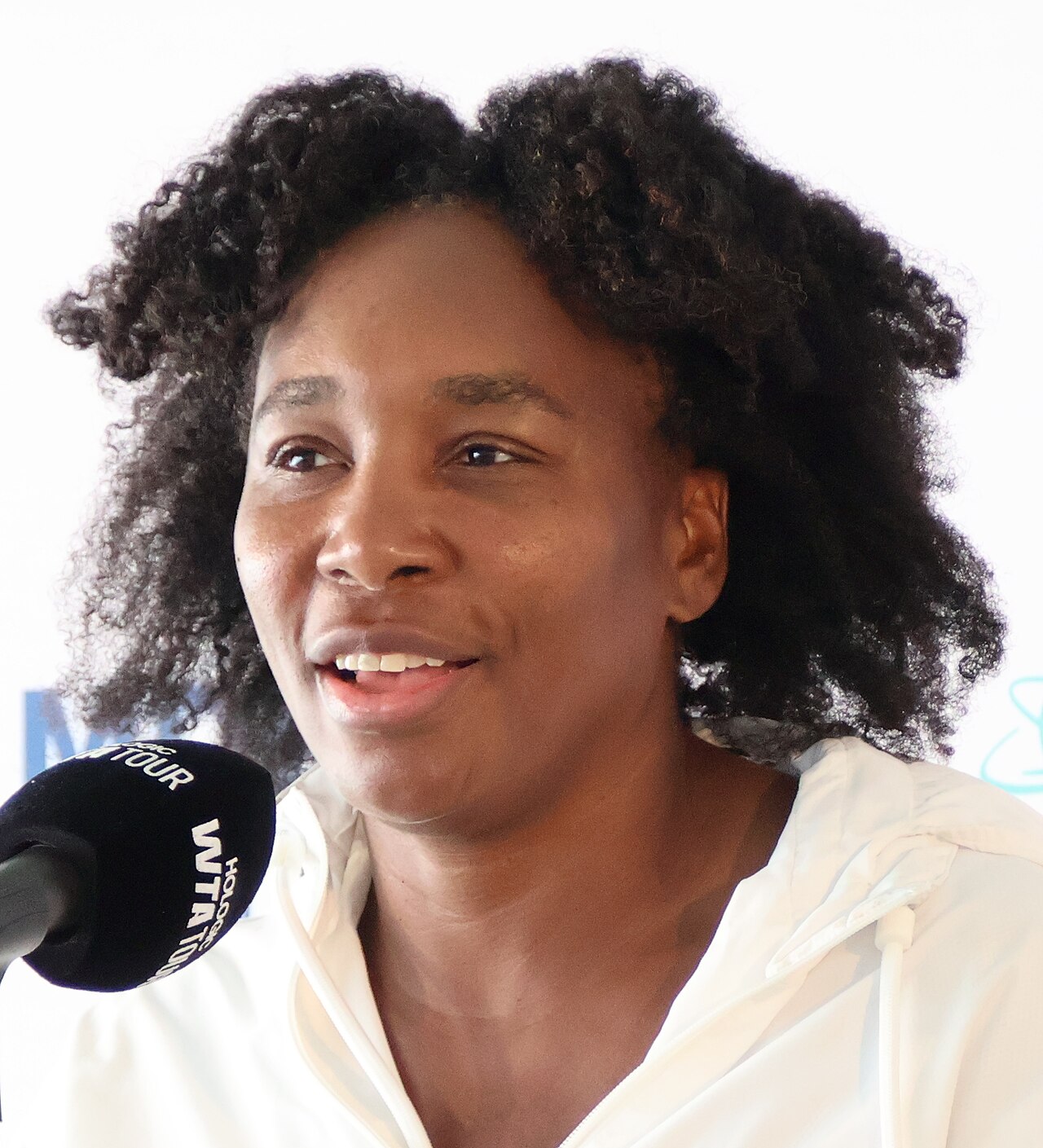
The narrative of Venus Williams and the BNP Paribas Open at Indian Wells is one of resilience, reconciliation, and ultimately, a triumphant return. Her recent acceptance of a wild card entry for the prestigious tournament marks another significant chapter in a storied career, highlighting not just her enduring passion for the sport, but also the deep emotional journey she has undertaken with this particular event. Far from a simple entry, Venus Williams' Indian Wells participation carries a weight of history, echoing a 14-year boycott and a remarkable path to healing.
A Storied Return: Venus Williams Accepts Indian Wells Wild Card
The tennis world buzzed with excitement as seven-time Grand Slam singles champion Venus Williams, at 45 years young, officially confirmed her return to the BNP Paribas Open. This isn't just another tournament appearance; it's a testament to her unwavering spirit and a stark contrast to her withdrawal from the same wild card opportunity last year due to prior commitments. This time, Williams is not only accepting the invitation but enthusiastically endorsing it. “I’m so excited to be heading back to Indian Wells and can’t wait to return home to play in California,” Williams shared in a tournament release. “This tournament is always such a special experience, and there’s nothing like competing in front of these incredible fans.” Her words resonate with a renewed eagerness, indicating a full commitment to playing in what many consider the "fifth Grand Slam."
Her goal is clear: to secure a singles match victory, a feat she last accomplished in July at the D.C. Open, where she defeated Peyton Stearns in her first match since March 2024. This latest wild card is one of six she has received since that D.C. Open appearance, including two majors, underscoring both her legendary status and the consistent belief in her ability to compete at the highest level. Beyond singles, Williams is set to team up with 23-year-old Canadian Leylah Fernandez, a formidable young talent who reached the U.S. Open quarterfinals last summer. Their partnership, which began during the first week of the U.S. Open, adds another exciting dimension to her Indian Wells campaign, promising dynamic doubles play and potentially a deep run in the tournament. For a deeper dive into Venus's preparations and mindset for the tournament, read our article:
Venus Williams Accepts Indian Wells Wild Card: Ready for Action.
A Tumultuous History: The Indian Wells Boycott and Its Aftermath
To truly understand the significance of Venus Williams' Indian Wells return, one must revisit the painful events of 2001. That year, the tournament became the focal point of a deeply distressing experience for the Williams family. Venus Williams, citing a knee injury, withdrew from her highly anticipated semifinal match against her sister, Serena. This decision, while legitimate, was met with a chorus of boos from sections of the crowd. The situation escalated dramatically during Serena's final against Kim Clijsters, where Venus and their father, Richard Williams, were subjected to an outpouring of jeers and racial slurs while in the stands.
Serena Williams vividly recounted the traumatic incident in her 2009 autobiography, "On the Line," writing, “I looked up, and all I could see was a sea of rich people — mostly older, mostly white — standing and booing lustily, like some kind of genteel lynch mob.” She continued, "I don’t mean to use such inflammatory language to describe the scene, but that’s really how it seemed from where I was down on the court. Like these people were gonna come looking for me after the match.” The emotional toll of this experience led both Venus and Serena to make a powerful statement: a 14-year boycott of the tournament. This decision, though controversial at the time, underscored the severity of the incident and their unwavering commitment to self-respect and dignity. It was a stand that reverberated throughout the tennis world, prompting critical discussions about sportsmanship, race, and respect within the professional arena.
From Reconciliation to Renaissance: Venus's Path Back
The 14-year boycott was not a period of static resentment but a lengthy process of healing and reflection. After years of space and subsequent discussions, Serena Williams made her emotional return to Indian Wells in 2015, followed by Venus in 2016. Their return was a monumental moment, signaling not just personal reconciliation but also a broader message of forgiveness and moving forward. It required immense strength and courage to step back onto courts that held such painful memories, a testament to their mental fortitude and professionalism.
Venus Williams' recent string of performances suggests a remarkable "career renaissance." Her successful runs last summer in the US Open hardcourt series and at the US Open itself, where she competed in singles, doubles, and mixed doubles, demonstrate that her passion and competitive fire remain undimmed. This renewed form makes her Indian Wells wild card entry particularly exciting. She isn't just returning for nostalgia; she's returning as a contender, eager to prove her mettle against the current generation of stars. Her presence adds an invaluable layer of experience and star power to the tournament, reminding everyone of the enduring appeal of one of tennis's true legends.
More Than Singles: Doubles Ambitions and Future Whispers
Venus Williams’ participation at Indian Wells extends beyond her singles aspirations. Her renewed doubles partnership with Leylah Fernandez, forged during the US Open, is a compelling storyline. Fernandez, a gifted young player, brings speed and aggressive play, complementing Williams' powerful serve and court craft. This pairing has the potential to be a significant force in the doubles draw, showcasing Venus's versatility and tactical prowess across both formats of the game.
Adding another layer of intrigue to Venus's return are the persistent whispers about a potential comeback from her sister, Serena Williams. The speculation intensified when Serena's name reappeared on the players list subject to anti-doping testing, despite her previous denials of a return. Serena, 44, will be eligible to play from February 22nd, but has yet to make a formal announcement. As such, Venus will undoubtedly face a barrage of questions from media and fans alike regarding her sister's future plans. While Venus is focused on her own game, the inseparable legacy of the Williams sisters means their individual journeys often intersect, adding a unique dynamic to any tournament they attend. The potential for Serena's return adds another layer of intrigue. We explore this further in:
Venus Williams at Indian Wells: Will She Address Serena's Comeback?.
A Legacy Unfolding: Why This Indian Wells Appearance Matters
Venus Williams' journey to Indian Wells is a microcosm of her legendary career – marked by incredible talent, unwavering determination, profound challenges, and ultimately, an inspiring resilience. From the bitter experience of the 2001 boycott to her courageous return and now, her renewed commitment via a wild card, her narrative transcends the confines of the tennis court. Her participation in the "Sunshine Double" (Indian Wells and Miami Open) underscores her dedication to the sport she has graced for decades, providing fans with another opportunity to witness greatness.
As Venus Williams steps onto the Indian Wells courts once more, she carries with her not just the hopes of winning, but the weight of history and the promise of inspiration. Her story is a powerful reminder that sports can be a stage for personal triumph, healing, and the enduring spirit of human endeavor. Whether she wins a match or not, her presence alone is a victory, cementing her status as an icon whose impact on tennis and beyond will resonate for generations to come.